How to Choose the Right Cable Arm: A Quality Inspector’s Guide for 3 Very Different Scenarios
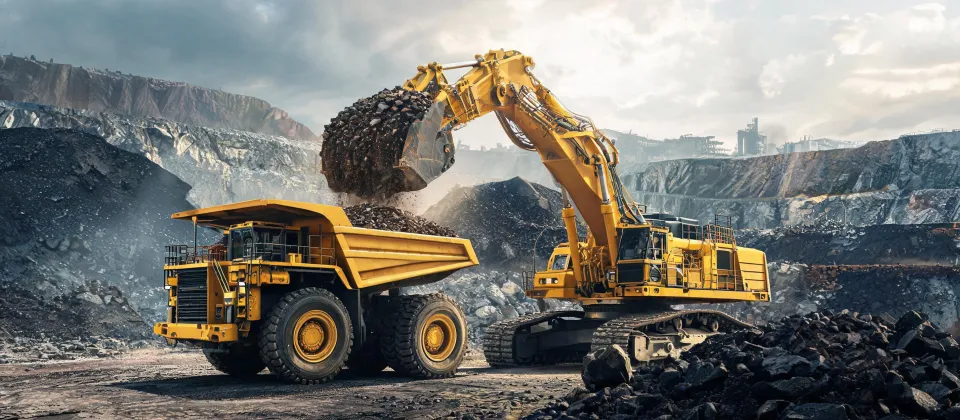
Cable arms aren’t one-size-fits-all
I’ve been a quality compliance manager in the industrial equipment space for over six years. I review roughly 200+ cable arm components every year—buckets, finishers, extensions, you name it. And if there’s one thing I’ve learned, it’s this: the same cable arm that works perfectly in a data center can become a safety risk in a mining pit. What most people don’t realize is that vendors often push their most popular model, even when your environment demands something completely different.
Here’s a quick overview of the three most common situations I’ve encountered, along with the mistakes I’ve made (and fixed) in each.
Situation A: Server Rack Cable Management
What you’re dealing with
You’re installing cable arms inside a server rack. Space is tight, every inch matters, and the cables are mostly low‑voltage (Ethernet, fiber, power cords). Aesthetics and cable bend radius are critical because you’ll be servicing these racks frequently.
The mistake I see most often
People order a heavy‑duty industrial cable arm because it’s cheaper per unit. The numbers say you’ll save 15% on the component cost. My gut kept nagging: this arm is overbuilt for this job and will block airflow. I ignored it. Turns out the extra metal weight and bulk caused a 4°C temperature rise in the rack. We had to rip out 40 arms and re‑order slimmer ones. Looking back, I should have trusted that gut feeling and spent the extra $12 per arm.
What to look for:
- Bend radius ratings that match your cables (check the manufacturer’s spec sheet).
- Lightweight materials (aluminum or high‑strength plastic composites).
- Tool‑less mounting for fast service.
- Verify the arm length fits your rack depth—don’t assume “standard” fits all.
Here’s something vendors won’t tell you: the “universal” server rack cable arm often has a hidden limit on the number of cables it can support without drooping. Ask for load‑test data at the specific cable bundle weight you plan to use.
Situation B: Heavy Industrial / Mining Cable Arms
What you’re dealing with
Your cable arm is part of a mining or energy equipment setup—think shovels, draglines, or EV charging stations in harsh outdoor environments. Cables are thick, armored, and heavy. The arm needs to withstand impact, vibration, and extreme temperatures.
The mistake I almost made
A purchasing manager wanted to cut cost by using a lighter “industrial” grade arm that was half the price of our standard mining model. The spreadsheet said it met the load spec—barely. Something felt off about the hinge design. We ran a quick finite‑element analysis (cost us $800) and found the lighter arm would fail after 10,000 cycles under full load. That analysis saved us from a $22,000 field replacement.
What to look for:
- Load rating at least 1.5× your maximum expected weight (safety margin is non‑negotiable).
- Corrosion resistance: hot‑dip galvanized or stainless steel for outdoor use.
- Sealed bearings or bushings to keep dust and moisture out.
- Third‑party testing reports (ASTM, IEC). Don’t accept “self‑declared” spec sheets.
If I could redo that decision earlier in my career, I’d invest in better specifications upfront—not the cheapest quote. The 5 minutes of verification I skipped cost us a week of troubleshooting later.
Situation C: Special / Custom Applications
What you’re dealing with
This is the wildcard. Maybe you need cable arms for a movie set prop (think Deadpool 2’s cable‑arm costume), a Ford assembly line with odd‑shaped cable paths, a temporary Halloween costume build for a best‑friend pair, or a one‑off Chauvin Industries prototype. The volumes are small, the specs are weird, and the timeline is always tight.
The trap to avoid
Don’t force a standard product into a custom application. I once approved a standard cable arm for a custom EV charging pedestal because the client said “it’ll work.” It didn’t. The arm interfered with the charging handle dock, and we had to redesign the whole mounting plate. Real talk: custom projects need custom solutions, but that doesn’t mean you need a full engineering project. Modular components (like adjustable mounting brackets and telescopic arms) can save you.
What to look for:
- Vendors with a proven track record in short‑run, custom work (ask for references).
- Rapid prototyping capability (3D‑printed or machined parts for quick iteration).
- Flexible material options—don’t let one material choice lock you into a dead end.
- Get the acceptance criteria in writing before production starts.
How to tell which situation you’re in
Still unsure? Answer these three questions:
- What’s the operating environment? Climate‑controlled room → likely Situation A. Harsh outdoor, heavy loads → Situation B. Anything else (entertainment, exhibitions, prototypes) → Situation C.
- What’s the cable bundle weight per arm? Under 5 kg → check Situation A. 5‑20 kg → you might be in B or C. Over 20 kg → definitely B, and you need a mining‑grade spec.
- How many units are you ordering? 50+ units of the same spec → invest time in specification verification (A or B). 1‑10 units → custom path (C).
Don’t just ask the vendor “Is this compatible?”—ask for the specific data that matters for your scenario. That 12‑point checklist I created after my third mistake has saved us an estimated $8,000 in potential rework. Five minutes of verification beats five days of correction.
Prices cited in examples are for illustration only; verify current market rates with your suppliers.