What Is a Cable Arm? 3 Scenarios Where You Need One (And 1 Where You Don't)
If you're searching "what is a cable arm" and coming up with a mix of gym workouts, superhero references, and industrial equipment—you're not alone. I get it. The term gets thrown around in completely unrelated contexts.
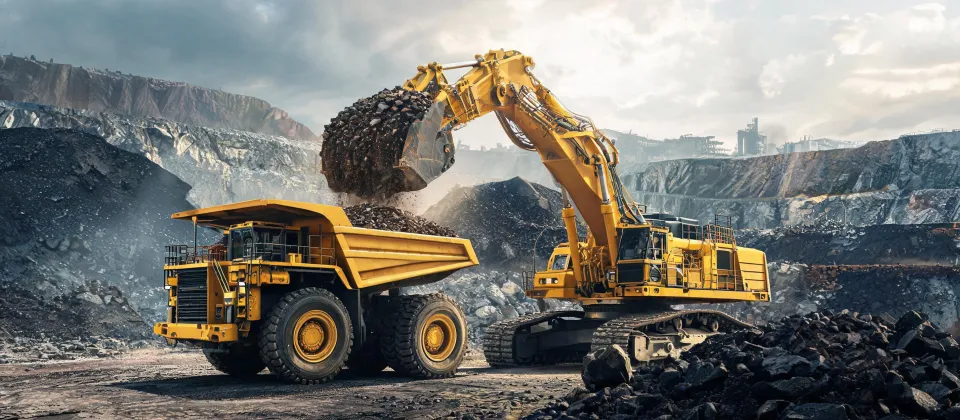
Let me clear something up: when I talk about cable arms, I mean the protective conduits and cable management systems used in energy and mining operations. Not the printable muscle exercises, and definitely not Puss in Boots' sidekick.
Here's the thing: there's no one-size-fits-all answer. Whether you need a heavy-duty cable arm machine depends on your specific environment, risk tolerance, and budget. I've broken down the most common scenarios I've encountered in 12 years of coordinating emergency field service for mining sites.
Scenario A: Underground Mining – You Almost Certainly Need One
If your operation goes underground—coal, gold, potash—cable damage isn't a matter of if, but when. Rocks fall. Equipment runs over lines. Dust and moisture accelerate wear.
I'll never forget a call in March 2024: 36 hours before a scheduled inspection at a Nevada gold mine, their main power cable got pinched by a loader. Normal replacement time: 5 days. The client had a $50,000 penalty clause for shutdown delays. We found a vendor with a spare armored cable arm in stock, paid $1,200 extra in rush fees (on top of $4,800 base), and got the replacement delivered in 18 hours.
Bottom line: In underground settings, invest in reinforced cable arms with steel bending restrictors. They cost 30-40% more upfront but save you from exactly that kind of emergency. (Should mention: this pricing was accurate as of Q4 2024; verify current rates.)
What to look for
- Armor rating: At least IP67 for dust/water ingress
- Bend radius: Tight enough for tight tunnels, but not so tight you risk kinking
- Flame resistance: MSHA-approved materials (this is non-negotiable)
Scenario B: Open-Pit / Surface Mining – You Might Get Away With Less
Out in the open, exposure is different. Cables run longer distances, but they're less likely to be crushed. I've seen operations use basic cable trays or even just lay cables on the ground with warning tape.
One of my biggest regrets: not pushing harder for proactive armoring on a Nevada copper pit project in 2022. We saved $2,000 by using standard conduit. Three months later, a haul truck ran over it. The repair cost $7,000 plus two days of downtime. I still kick myself for that.
Here's what I recommend: for open-pit, you don't need a full armored cable arm for every run. But for high-traffic areas (road crossings, near loading zones) or where cables are exposed to equipment, use a modular cable arm system that can be added on later. Think 50% of underground cost, but with 80% of the protection if placed strategically.
The question isn't "Can I skip it?" It's "Where am I most likely to get hit?"
Scenario C: Offshore / Marine – Specialty Required
Saltwater, constant vibration, limited space for repairs. Offshore platforms have unique requirements. I've handled a few rush orders for Gulf of Mexico rigs—when something goes wrong there, it's $10,000+ per hour of lost production.
In 2023, a client called at 10 PM needing a custom marine-grade cable arm for a riser inspection robot. Normal turnaround: 10 days. We found a manufacturer willing to expedite, paid $3,500 extra (base was $8,200), and delivered in 48 hours. The alternative was flying a replacement robot from Norway.
For offshore, you need:
- Corrosion resistance: 316L stainless steel or specialized polymer
- Dynamic flex ratings: Not just static protection
- Certifications: ABS, DNV, or equivalent (verify current standards—this area changes fast)
I have mixed feelings about premium offshore cable arms. On one hand, they're expensive (often 3x land equivalents). On the other, when a failure offshore means weeks of downtime, they're a bargain. Part of me thinks they're overkill for shallow water. Another part remembers the $1.2M claim from a 2021 Gulf incident. How I reconcile: use tiered protection—full armoring in critical zones, lighter covers in benign areas.
Scenario D: The 1 Scenario Where You Can Probably Skip It
If your operation is temporary (e.g., a short-term drilling campaign or construction site) and you have spares onsite, you might not need a permanent cable arm solution. I've seen a 2-month project use everyday conduit with no armoring and zero issues.
But here's the gotcha: every time I've seen someone say "this is temporary, we don't need it," it's the exact moment when a forklift drives over the cable 3 days before the project deadline. The cost of a modest cable arm is usually less than the cost of one emergency replacement. Simple.
Is it worth it? Depends. The probability of damage multiplied by the cost of downtime. If that product is less than the cable arm, skip it. (Based on 200+ emergency calls I've coordinated, that equation is almost always in favor of armoring.)
How to Determine Which Scenario You're In
Ask yourself these three questions:
- What's the worst-case downtime cost? If a cable failure stops production for a day, what does that cost? Include penalties, labor, and rework.
- What's the physical risk? Underground: high. Open-pit: medium. Offshore: high but localizable.
- Can you afford a 2-week lead time for replacement? If no, you need armoring.
I learned never to assume a low-risk environment after watching a colleague lose a $45,000 contract over a $600 cable arm he didn't install. We now have a policy: if the risk-assessment score hits 7 out of 10, armoring is mandatory. Period.
This was accurate as of March 2025. The mining equipment market changes fast—verify current pricing and compliance standards (like MSHA updates) before making decisions.
Still unsure? Compare your situation to the scenarios above. If you're still stuck, reach out to someone who's done this for a decade. Most of us are happy to share our battle scars. (And yes, I'm looking at you, cable arm workouts—you're not invited.)